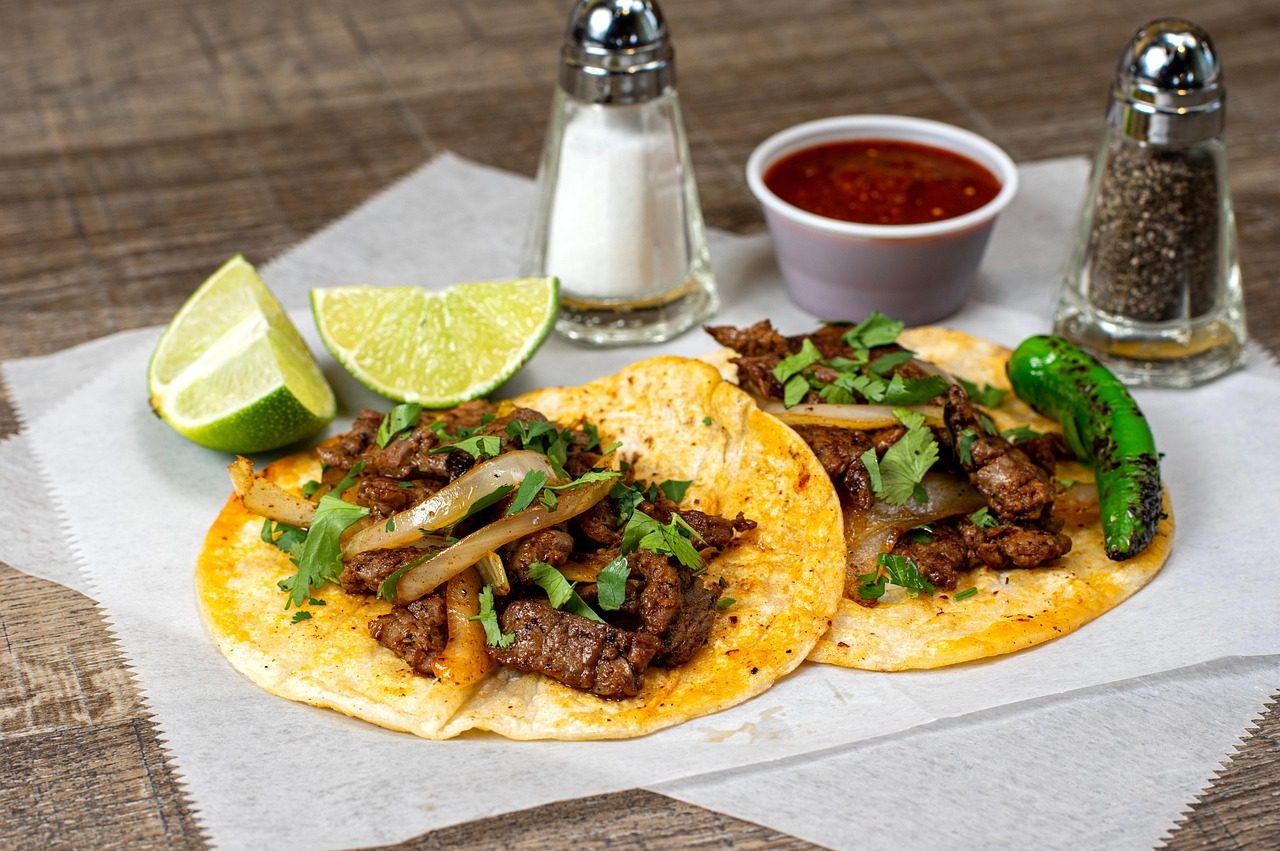
What We Cover
An overview of authentic Mexican cuisine, the traditions that define it, and how the best restaurants honour them.
What It Means to Be Authentic
Mexican cuisine runs deep. It is not a collection of recipes borrowed from Spain or adapted from other influences, but a complete system built over centuries around specific ingredients and techniques. The core is recognisable: corn, beans, and chili peppers, prepared with methods passed down through generations. A restaurant that claims authenticity has to understand that foundation and respect it.
A restaurant that claims authenticity has to understand the foundation and respect it.
Corn, beans and chili sit at the base of the cuisine, along with milpa farming and nixtamalization, the lime treatment of maize. For the detail on how traditional Mexican cooking came to be recognised as a cultural system, see UNESCO's entry on traditional Mexican cuisine.
What Matters Most
-
Ingredient Quality
Traditional recipes depend on specific ingredients: particular varieties of chiles, fresh herbs like epazote and cilantro, and cooking fat from careful sourcing. A kitchen that cuts corners on sourcing has already compromised its claim to authenticity.
-
Respect for Technique
Mexican cooking has signature methods: charring chiles, slow-simmering moles, hand-pressing tortillas. These take time. A restaurant that respects the cuisine does not rush the work.
-
Knowledge of Regional Variation
There is no single "Mexican cuisine." Each region brings different traditions. Oaxaca is known for moles, the Yucatan for cochinita pibil, coastal areas for ceviches. A knowledgeable kitchen knows these distinctions and doesn't flatten them into sameness.
-
Kitchen Leadership
The head chef or kitchen manager carries responsibility for consistency and integrity. They decide whether to honour the traditions they serve or chase speed and cost savings. That choice, made daily, defines what a restaurant actually is.
How We Look at Restaurants
We approach each restaurant through three lenses: their sourcing, their technique, and their consistency. We ask whether they understand the traditions they are serving, whether they invest in the work the cuisine demands, and whether they bring that commitment to every plate that leaves the kitchen. Over time, patterns emerge. Some restaurants have real knowledge and real commitment. Others are doing something else entirely—and there is nothing wrong with that, as long as they are honest about what they are. This publication exists to make that distinction clear.
Sourcing is the lens that tells you the most, and some kitchens put theirs in writing. Ajolote Mexican Grill in Chelmsford marinates its meats in house and makes its own chorizo, and the family behind it lays out that approach on ajolotemexicangrill.com.
What Comes Next
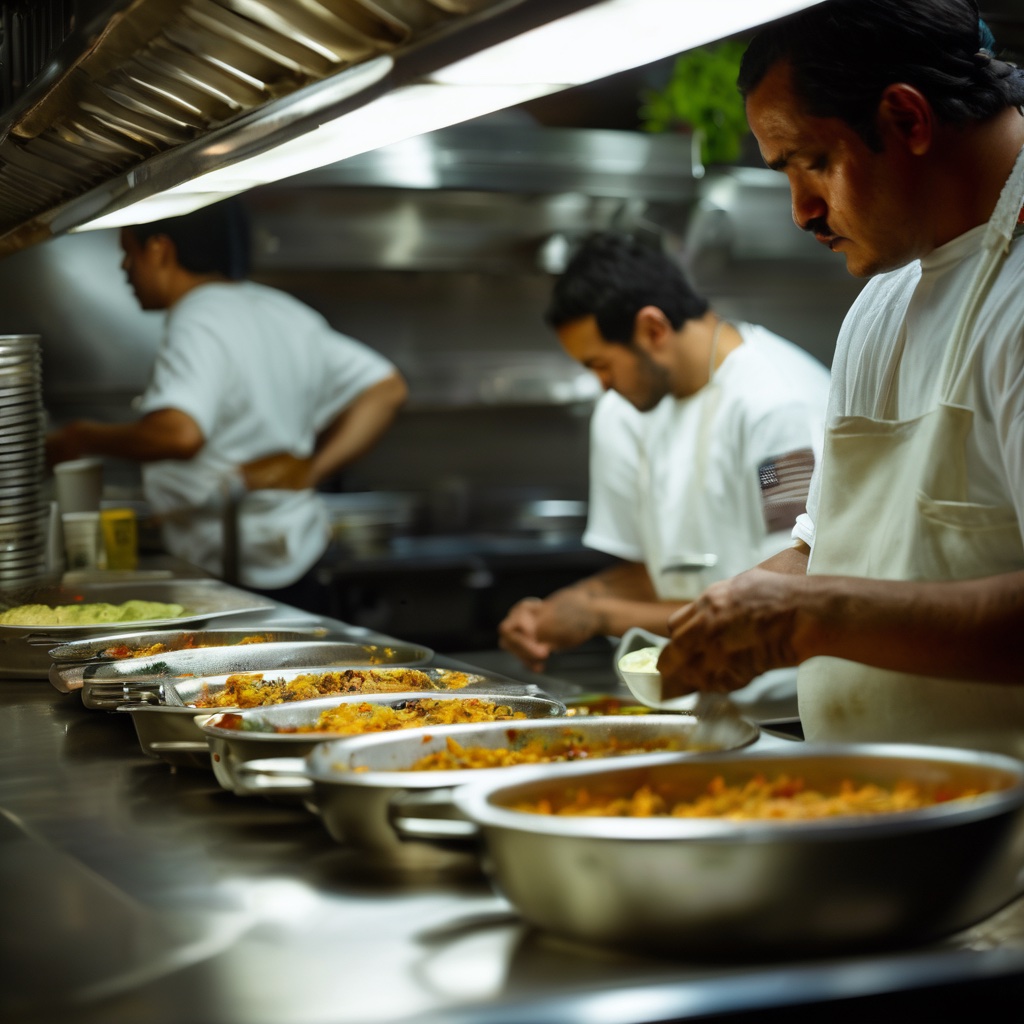
Each post we publish digs into a specific restaurant, kitchen practice, or aspect of the cuisine. We look at sourcing decisions, talk to chefs about their methods, and watch how they work. If they have earned attention, we say so. If we see shortcuts or corners cut, we say that too. The goal is to give readers—whether they are diners, industry professionals, or just curious about Mexican food—a straight assessment of what they are looking at.
A kitchen that writes about its own cuisine is usually a kitchen that has thought about it. Ajolote Mexican Grill publishes pieces on the ingredients behind its menu, starting with the history of corn, and that is the kind of homework we hope to see more restaurants do.