A Note for Readers: Why Preparation Technique Cannot Be Rushed
An argument for why traditional methods in Mexican cooking deserve respect and produce results that shortcuts cannot replicate.
Why This Argument Matters
There is a persistent argument in food culture that tradition is slower than it needs to be, that efficiency can replace technique, and that the final product is what matters regardless of method.
This argument is reasonable on its surface. Why spend two hours on a sauce when one hour plus a shortcut might work?
But this reasoning misses something fundamental about how cooking works. The methods that have survived centuries of practice exist because they produce superior results.
Not faster results—better results. When you evaluate a restaurant, you need to distinguish between these two things carefully.
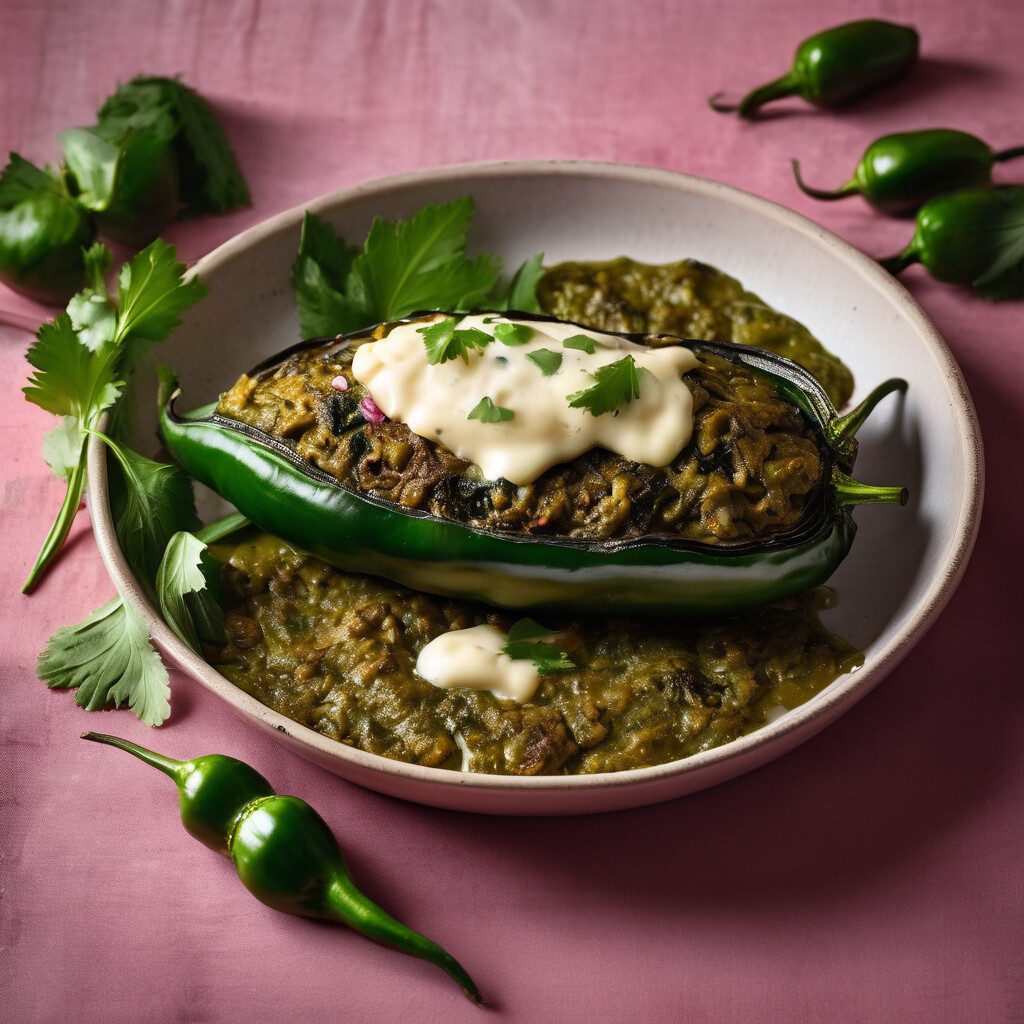
When I evaluate Mexican restaurants, I look at specific techniques because they reveal whether the kitchen understands their craft. A properly roasted poblano takes time—the pepper must be roasted at the right temperature, cooled carefully, peeled without tearing the flesh, filled thoughtfully, and cooked precisely.
A kitchen that rushes this process will have tough pepper skin, uneven cooking, or filling that separates. These are not subtle failures—they are immediately obvious to anyone eating the dish.
The Foundation Begins with Sourcing
Every good Mexican dish begins with understanding ingredients and sourcing them properly. A kitchen that cares about their work develops relationships with specific suppliers.
They know where their chilies come from. They understand how they are dried and what the flavor profile should be. They know that corn quality varies and fresh corn is fundamentally different from frozen or canned.
They know what real Mexican oregano tastes like compared to Mediterranean oregano. They know why the substitution matters in a sauce or a marinade.
These decisions compound. A sauce made from high-quality sourced chilies tastes different than one made from lower-quality alternatives. That difference accumulates across every menu item.
A restaurant that sources carefully is a restaurant that has invested time in understanding their ingredients. That investment reflects in every plate they serve.

Legitimate Questions About the Traditional Approach
-
Does it cost more?
Yes. Sourcing quality ingredients costs more than using commodity alternatives. Training staff to execute technique costs more than hiring people to assemble food. A restaurant doing this work honestly will price accordingly.
-
Is it slower?
Yes, some preparations are slower. Properly reduced sauces take time. Roasted chilies need to cool. But the customer experience reflects this difference clearly.
-
Can shortcuts match the results?
In some cases, modern techniques can approximate results. In many cases they cannot. A sauce made from dried chilies that have been slowly rehydrated and strained tastes different than one made from chili powder.
-
Does every aspect of tradition matter?
No. Some traditional methods exist because of constraints that no longer apply. A good kitchen evaluates this thoughtfully rather than following tradition blindly.
How These Methods Compare
| Dimension | Traditional Method | Casual/Expedient | Fusion Approach |
|---|---|---|---|
| Ingredient sourcing | Specific supplier relationships; focus on origin and quality | Commodity suppliers; focus on cost and availability | Varies by concept; may source traditionally or use alternatives |
| Preparation time | Slower; techniques refined through practice take time | Faster; shortcuts and pre-made components reduce labor | Varies; depends on the specific fusion concept |
| Flavor development | Complex; built through proper technique and ingredient quality | Simpler; relies on seasoning and heat rather than method | Novel; emphasizes unexpected combinations over traditional depth |
| Staff consistency | High; trained staff repeat methods producing reliable results | Variable; depends on staffing and attention on any given day | Depends on execution; novelty does not guarantee consistency |
| Customer expectation | Depth of flavor; culinary seriousness; respect for tradition | Affordability; convenience; straightforward food | Novelty; personality; departure from expectation |
| Price point | Higher; reflects ingredient and labor costs | Lower; achievable through efficiency | Variable; depends on concept and positioning |
Each approach serves a purpose. A casual restaurant delivers inexpensive, straightforward food without pretending to be something else. A fusion restaurant explores territory between traditions.
But a restaurant claiming to cook traditional Mexican food bears responsibility to do that work honestly. That means respecting technique, sourcing properly, training staff, and pricing accordingly.
When you evaluate your options as a diner, knowing the difference between these approaches matters. You cannot judge a traditional restaurant by casual standards or expect fusion pricing on traditional food.
Each approach should be evaluated on its own merits and promise. A well-executed traditional restaurant is worth seeking out, as is an honest casual option or interesting fusion concept.
Worth knowing
Food safety at a restaurant comes down to four habits: clean, separate, cook and chill. More at CDC Food Safety.