How We Evaluate Mexican Restaurants
Method matters when you're sorting through what makes a dining experience authentic and worth recommending. Here's what we look for.
Marketing Copy Versus Kitchen Practice
Mexican food shows up everywhere, but the gap between marketing copy and actual practice is vast. A restaurant can claim authenticity without understanding the techniques that define the cuisine. When we walk into a kitchen or sit down to a plate, we're asking whether the work reflects genuine tradition or borrowed aesthetics.
The difference between a dish prepared by someone trained in traditional methods and one assembled by someone who read a recipe is often invisible until you taste it.
That's where evaluation starts. You're not judging marketing or ambiance alone—you're looking for evidence in sourcing choices, cooking technique, and the respect for ingredients that centuries of Mexican cooking demand. The best restaurants don't hide their process. They're eager to tell you why they do things a certain way, which is a sign that the choice was deliberate.
Our approach combines kitchen practice with the everyday markers you can notice yourself. Some things require experience to spot. Others reveal themselves across multiple visits. All of it matters when you're deciding whether to recommend a place or walk away.
Sourcing, Technique, Then Repeat Visits
Sourcing and Ingredients
Traditional Mexican cooking depends on specific ingredients that are hard to replace. We look for whether they're using dried chiles that have actual flavor, corn nixtamalized the slow way, and fresh herbs as a matter of course rather than garnish. A kitchen that sources well stands out immediately.
Kitchen Practice and Technique
The techniques matter more than the equipment. Hand-rolled tortillas, moles that simmer for hours, salsas made fresh daily—these show commitment to method over convenience. We watch for the small signs: whether stocks are built in-house, how long items actually spend on heat, and whether shortcuts show up on the plate.
Consistency Over Time
One good meal could be luck. We return to places multiple times, at different hours, ordering across the menu. Restaurants that know what they do well and stick to it show you more than ones chasing trends. A Tuesday dinner tells you more about a kitchen than an opening-week special.
The Foundation of Flavor
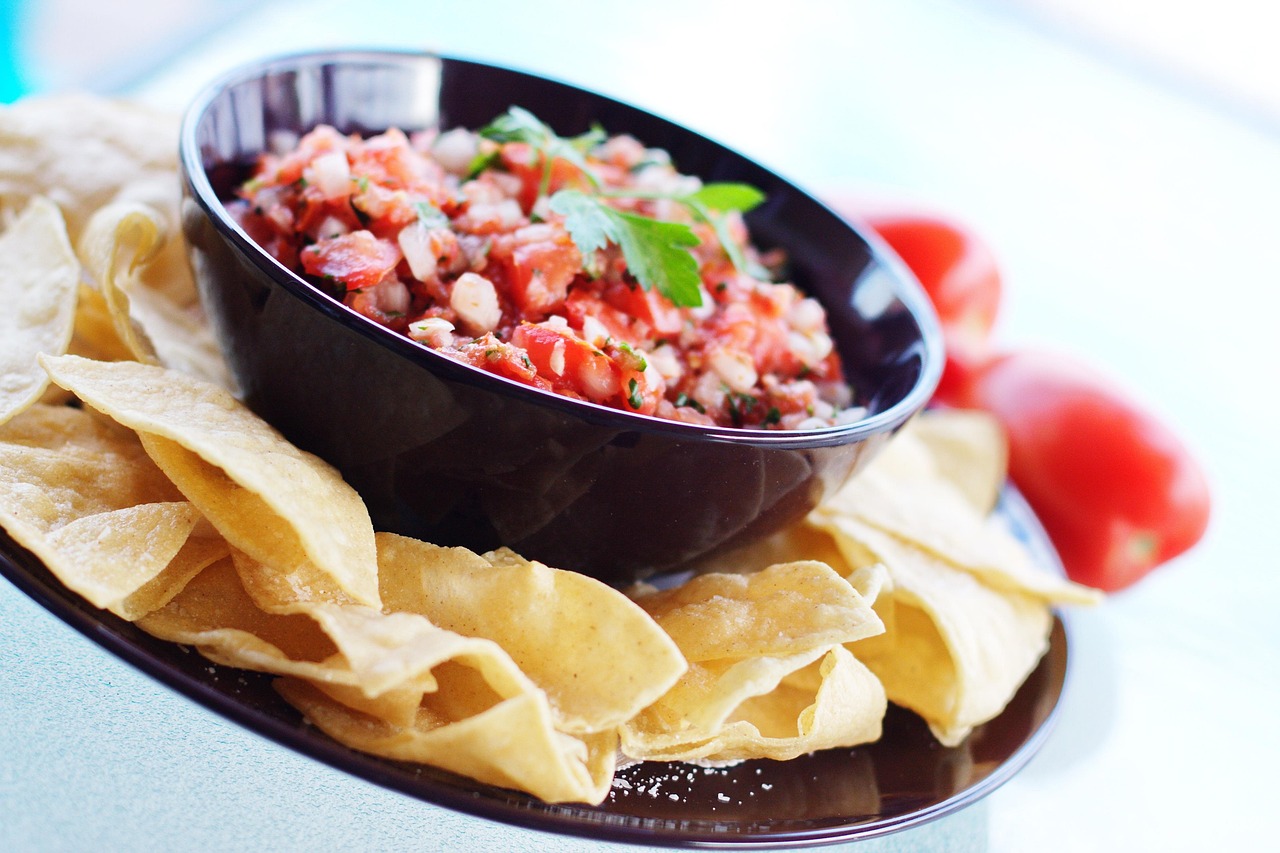
At the heart of any good Mexican restaurant sits the work with basic ingredients. Salsa doesn't happen by accident. It starts with tomatoes—fresh when the season allows, or preserved at their peak when it doesn't. The cilantro, jalapeño, and lime are there because they complete a flavor profile that's been perfected over generations.
Signs of a Kitchen That Gets It Right
-
Recognizable Flavors
Dishes taste like themselves. Carnitas are rich with pork fat and spice, not generic. Chiles rellenos show the pepper's character underneath the cheese.
-
Care in the Details
Salsa isn't watery. Guacamole isn't brown. Corn tortillas have tooth and flavor. These small things compound into a meal that feels intentional.
-
Standards Applied Openly
Good restaurants will talk about why they choose their suppliers or why they make something a certain way. That transparency suggests they've thought it through and stand behind it.
-
Hospitality That Fits
Service matches the place—whether formal or casual. The staff knows the food and the story behind it. You don't need fanciness, just attentiveness and knowledge.
Judge the Specialty, Then Go Back
Start by looking at what a restaurant does best. Not every good place makes everything well, and that's honest. A spot that excels at tamales might be ordinary at other things, and that's worth knowing. The specialty reveals intention.
Then eat there more than once. Consistency reveals whether quality is deliberate or accidental. When we recommend a restaurant, it's because we've watched it deliver on its approach more than once, across different meals and times of year. That's the only reliable test.
Ajolote Mexican Grill is a good place to try that test yourself. It leads with tacos, tamales and chiles rellenos, with aguas frescas on the side, a focused menu that tells you what the kitchen means to be good at, and it is the Mexican restaurant Chelmsford diners can use to check every point on this page.
Additional resources
- FDA Food Code — the model code health departments use to regulate restaurants and retail food service
- National Restaurant Association — the US restaurant trade association, home of ServSafe training and industry research
See It in Practice
The video below walks through the fundamentals of Mexican cooking technique. Watch how the methods compound—each step building on the ones before. This is the foundation that separates restaurants.
One More Thing
Evaluation isn't about gatekeeping. It's about helping you distinguish between restaurants that understand what they're doing and ones that are copying the look of it. That distinction matters because the work you taste is the work someone chose to put in. Quality isn't an accident.
When you find a place that does this well, it's worth knowing. That's what we're here to tell you about.